
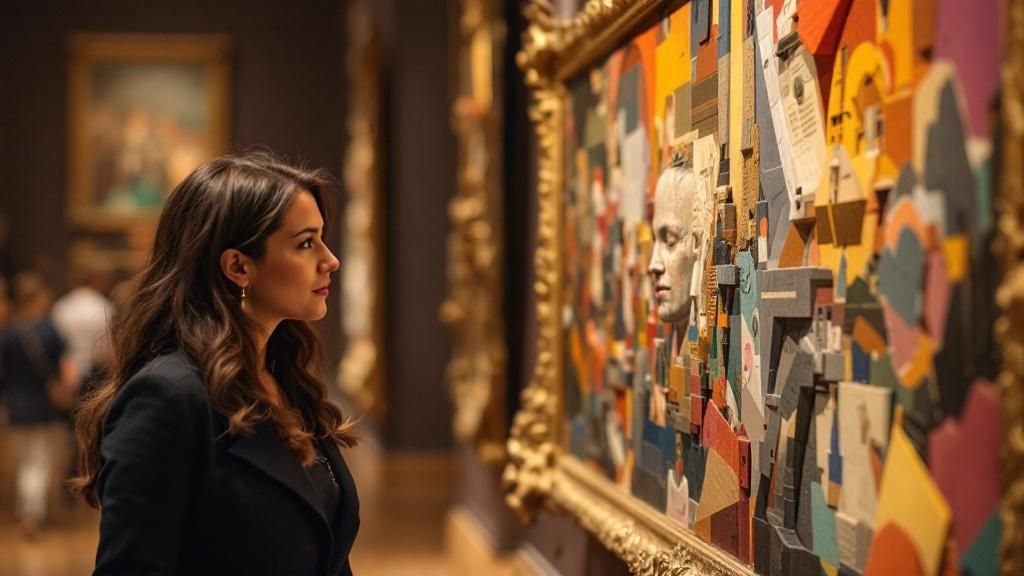
The British Museum has revealed an ambitious new programme to preserve modern art collections for posterity. In a major dedication to contemporary art preservation, the museum has announced considerable investment for cutting-edge preservation initiatives intended to overcome the unique challenges posed by modern artistic materials and methods. This deliberate commitment underscores the organisation’s understanding that modern artworks require expert attention and expertise, ensuring that modern creative output remain intact and open for the foreseeable future.
Growing Conservation Expertise
The British Museum’s funding allocation constitutes a pivotal step in developing world-class conservation capabilities precisely designed to modern artistic works. By creating focused study units and bringing in principal authorities in modern materials science, the institution seeks to develop a extensive information repository tackling the particular safeguarding issues presented by current artistic pieces. This growth will enable conservators to employ cutting-edge techniques whilst preserving strict moral principles, guaranteeing that groundbreaking artistic approaches are preserved with the identical careful attention conventionally given to period pieces and valued collections.
Central to this initiative is the engagement of highly experienced conservators with specialisation in contemporary artistic disciplines and unconventional materials. The museum understands that contemporary artists often engage with plastics, synthetic compounds, digital components, and mixed media that present unprecedented conservation challenges. By bringing together a multidisciplinary team of specialists, the British Museum will establish itself a foremost leader in contemporary art preservation, recruiting talented professionals from across the globe and building collaborative relationships with other leading bodies committed to protecting modern cultural heritage.
Furthermore, the programme features comprehensive training schemes designed to cultivate the next generation of heritage specialists. Through work-based learning, internship placements, and higher education partnerships with universities, the British Museum will confirm that contemporary art conservation expertise continues to develop and evolve. This dedication to staff advancement confirms that future conservators possess the specialised knowledge necessary to address contemporary preservation demands, ultimately reinforcing the organisation’s capability to safeguard and sustain contemporary artworks indefinitely.
Key Programmes and Funding Allocation
The British Museum’s financial commitment demonstrates a transformative approach to current artwork conservation, with designated funding directed towards establishing cutting-edge facilities and recruiting skilled professionals. This planned resource allocation focuses on research into advanced conservation techniques, tackling the unique difficulties created by current material types including digital content, man-made polymers, and mixed-media installations. The resource allocation system guarantees enduring advancement of conservation capabilities whilst preserving the museum’s focus on community involvement and educational outreach programmes.
Partnership Growth
Strategic partnerships serve as the bedrock of the British Museum’s preservation approach, enabling information sharing with major international bodies and research centres. Through collaborative agreements with academic institutions and conservation specialists, the museum strengthens its technical expertise and access to emerging technologies. These partnerships facilitate cross-institutional training programmes, enabling conservators to acquire advanced skills in conserving modern art. The partnership structure reinforces the broader conservation sector, establishing standardised best practices across cultural organisations internationally whilst guaranteeing the British Museum continues to lead of contemporary artwork preservation.
The museum has developed formal agreements with prominent conservation laboratories and university departments, fostering robust networks for exchanging research findings and methodological innovations. These partnerships extend beyond traditional museum boundaries, incorporating working relationships with creative practitioners, technologists, and material scientists. Such cross-disciplinary teamwork ensures preservation methods remain responsive to changing creative methodologies and new materials-related issues. The collaborations also enable access to specialised equipment and specialist knowledge previously unavailable within individual institutions, significantly enhancing conservation capacity and capability.
- Joint research projects with leading universities and conservation centres
- Knowledge-sharing agreements with worldwide museums and heritage preservation organisations
- Educational programmes established collaboratively with conservation specialists
- Technical collaborations with digital archival and archival professionals
- Artist participation schemes securing modern viewpoints shape conservation methodology
The partnership framework showcases the museum’s pledge towards building sustainable preservation systems benefiting the entire heritage sector. By nurturing working relationships, the British Museum supports developing a wide-ranging support network for contemporary art preservation. These joint initiatives yield valuable research outcomes, published widely within scholarly and industry circles, enhancing conservation science. The partnership model secures resources are utilised efficiently whilst increasing beneficial outcomes across multiple institutions and geographic regions.
Future Impact and Industry Leadership
The British Museum’s commitment to current artistic conservation creates a fresh standard for cultural institutions throughout the United Kingdom and beyond. By introducing advanced preservation methodologies, the museum establishes itself as a key voice in managing the changing challenges of modern artistic materials. This commitment will undoubtedly influence how peer organisations approach their own conservation practices, fostering a collaborative approach to preserving current pieces that goes beyond established sectoral divides and encourages information exchange within the cultural field.
The programme’s ripple effects will permeate the global heritage sector, creating benchmarks for best practice in handling modern materials. The British Museum’s specialist skills and funding will permit smaller institutions and emerging museums to gain from shared learning and technical guidance. In addition, this programme shows that funding for preservation facilities produces considerable gains, well beyond simply art conservation but additionally through improving institutional profile and attracting both financial support and skilled experts dedicated to current art preservation.
Looking ahead, the British Museum’s investment is set to revolutionise how society values and protects modern creative work. By creating strong conservation frameworks now, the institution secures that future generations will inherit a complete archive of twenty-first century creativity. This future-focused approach reinforces the museum’s purpose as guardian of our shared heritage, whilst also fostering a wider dialogue about our shared obligation to protect the cultural bequest that characterises our modern age.
